Haven’t had a guest on for ages so am delighted to have Helen on here, telling us all about the inspiration behind her novel House of Lies. Over to you, Helen!
If you ever go on holiday to France, I’m guessing that, like me, you discover bargains in the supermarket and load up your trolley with wine and cheese. It’s easy to be tempted to get out the credit card and overspend. I do the same. But what I didn’t expect, while we were on a family camping holiday many years ago, was to come home having impulse-bought a house! And not even a habitable house. A ruin.
That long-ago summer, the heat in our coastal resort was stifling and it was hard to stay cool under canvas. We heard about a nearby village, with a chateau and a lakeside beach, shaded by trees, and this drew us inland from the scorching coast.
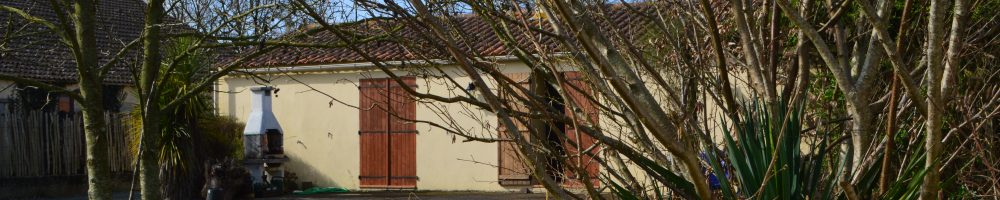
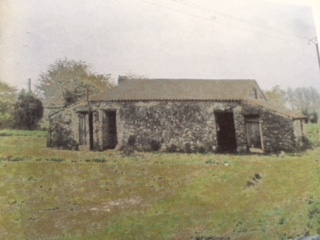
It was a picturesque spot and had a comfortable, leisurely pace of life but the last thing we expected was to fall in love with the village and put down roots there. As we strolled around the streets, we discovered many of the ancient cottages in the village centre were up for sale. In those days I was our main family breadwinner, with a very stressful corporate job, while my husband ran a small business and fitted it around the needs of our children. This was in the days before Airbnb and we used to dream of a new life, perhaps escaping to France to run a gîtes (holiday rentals) business, but the sums didn’t add up. Yet the prices of these village houses were under £8,000. Inexpensive compared to the UK, but too small for a family of four. That’s when we spotted our ‘ruin’, an old tumbledown farm building set in a vast overgrown field. A property very similar to the one the Willshire family is viewing in the opening chapter of House of Lies.
While our children sulked and protested, we behaved like problem gamblers, inserting all our credit and bank cards into an ATM to withdraw the ten per cent needed for a deposit. We handed it over to the estate agent on the spot.
It took us years to convert our ‘ruin’ into a liveable holiday home. Every holiday was spent in a caravan on the muddy building site while renovations slowly progressed. To raise the money for the work, we increased the mortgage on our UK home several times. Our children spent their holidays painting walls and assembling IKEA kitchen units. But, once it was done, they got their reward. They could bring friends on holiday with them, enjoy an outdoor life, roam freely, go surfing and climbing, cycle long distances and take out boats on the river.
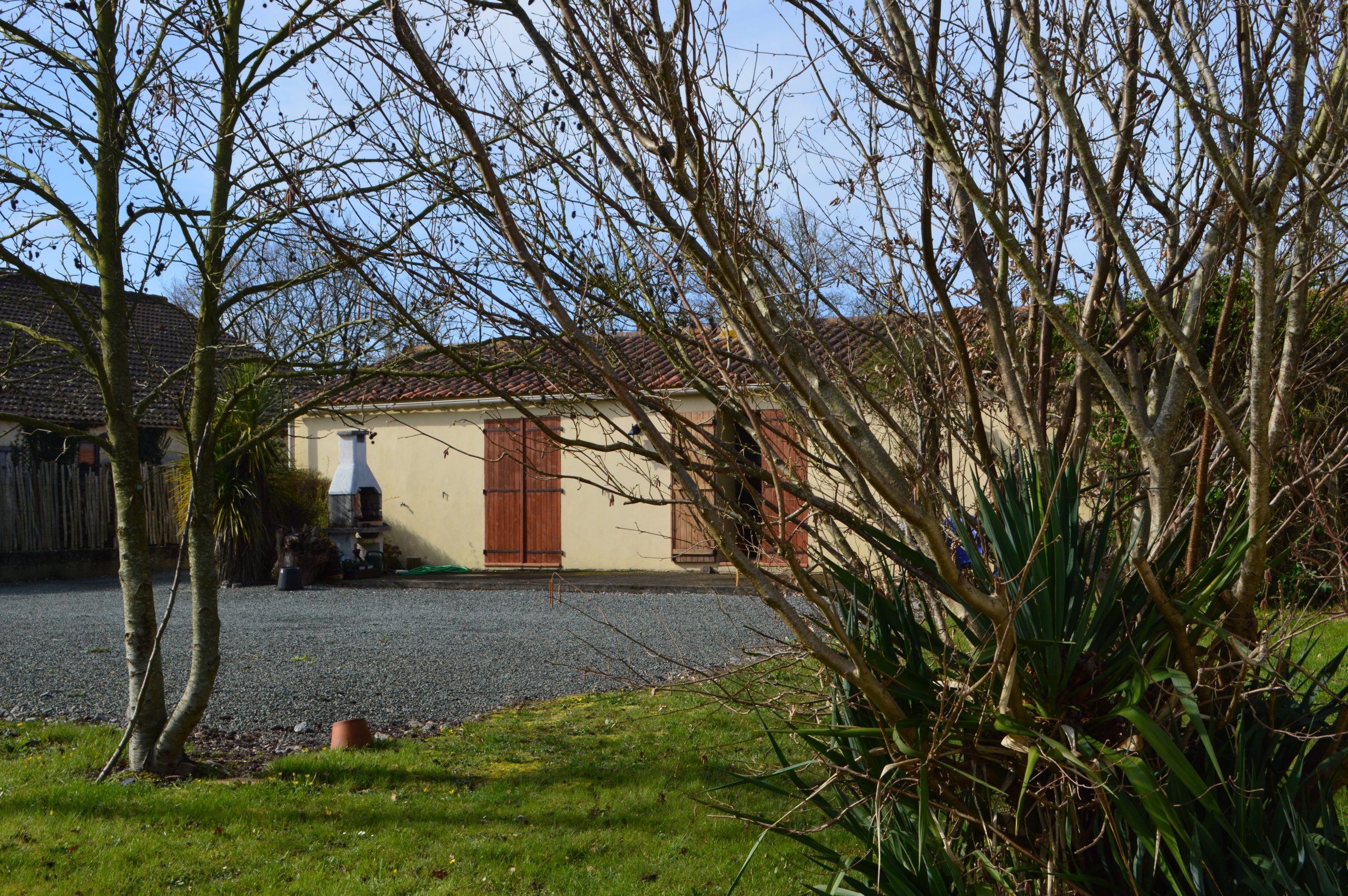
I’d often thought of sharing some of these experiences in a novel. As an author, I’m fascinated by family relationships, especially when these are dysfunctional. I like to delve into the more secretive and twisted side of human nature. For my characters in House of Lies, there’s no idyllic ‘year in Provence’ experience. I haven’t set House of Lies in the area of France where our holiday house is, but in Limoges and the surrounding Limousin countrysidewhere I’ve created a fictitious village called Sainte Violette. I hope readers will recognise the sights, sounds and tastes of France within the fictional world I’ve created.
House of Lies was first published in 2019 by a different publisher with the title Lies Behind the Ruin. This is a lightly-edited second edition. I began planning the book while on a writers’ retreat at Gladstone’s library in North Wales. At that time, I had no inkling there would be a referendum on Britain’s membership of the EU and that the UK would vote to leave. I was halfway through writing this book when the referendum was announced.
Whatever any of us may think of Brexit, and I’m expressing no position here, after Britain left the EU, it was no longer possible for young families with limited means to start a new life in France. This is what the Willshire family does in House of Lies. The right to move to France, Spain, Germany or elsewhere – to work or start a business – was linked to freedom of movement for EU citizens.
Over many years of visiting France, I’ve met British people from all social and income backgrounds who had taken advantage of the freedom of movement rules to start a new life in France. Sometimes they did this after a redundancy, bereavement or other life-changing event; some were artists who wanted to start a business in a place where property was more affordable. Others thought they could give their children a better life in France. That opportunity is now reserved for the wealthy, or those who secure a job offer from an employer who is prepared to go through the bureaucracy of applying for a work visa for them.
The challenge of writing about contemporary themes is that the world constantly changes. When the Referendum was announced, I wondered if I should abandon House of Lies in case it turned out to be a historical novel before it was even published! But the action in the book takes place between the summer of 2015 and winter of January 2017 before the changes in the law that brought Brexit into effect, so I rewrote some plot lines and et voilà Brexit became yet another challenge for my characters to face.
To find out what happens to the Willshire family and the dangers that pursue them when they try to rebuild their lives and renovate their ‘ruin’ in France, you can download House of Liesfrom Amazon at this link:
And here’s a little about House of Lies:
A fatal workplace accident. A double life. And questions that nobody can answer.
After years of hardship, Emma’s chance of happiness is tinged with heartbreak.
Together with her husband Paul and their daughter, Mollie, she takes a chance
and moves to France, where an old ruin is set to become their new home, far
away from their problems in England. But she’s forced to leave her son, Owen, behind.Yet renovating an old building takes a greater toll on the family than expected
and they are soon burdened with financial worries, conflicts and the
challenges of life in a foreign country. At the same time, strange
incidents begin to happen which make Emma increasingly nervous.
What began as a fresh start turns into a dangerous game of cat and mouse.
Distrust poisons their marriage, old lies come to light, and the situation spirals
out of control.In the midst of the idyllic Limousin countryside and a new community, Emma
fights for her family – and she needs to figure out who she can still trust. The
dream of a new beginning turns into a struggle for trust, truth and
safety. Because some people don’t give up. And some secrets don’t stay buried.This is a revised new edition of the previously published title Lies Behind the Ruin.
Purchase links
https://www.amazon.co.uk/dp/B0H94VMGHK (This is the Amazon UK link)
https://mybook.to/fxVy6l (This is an international link to the Amazon store in
every country)
Here’s some background about my guest blogger:
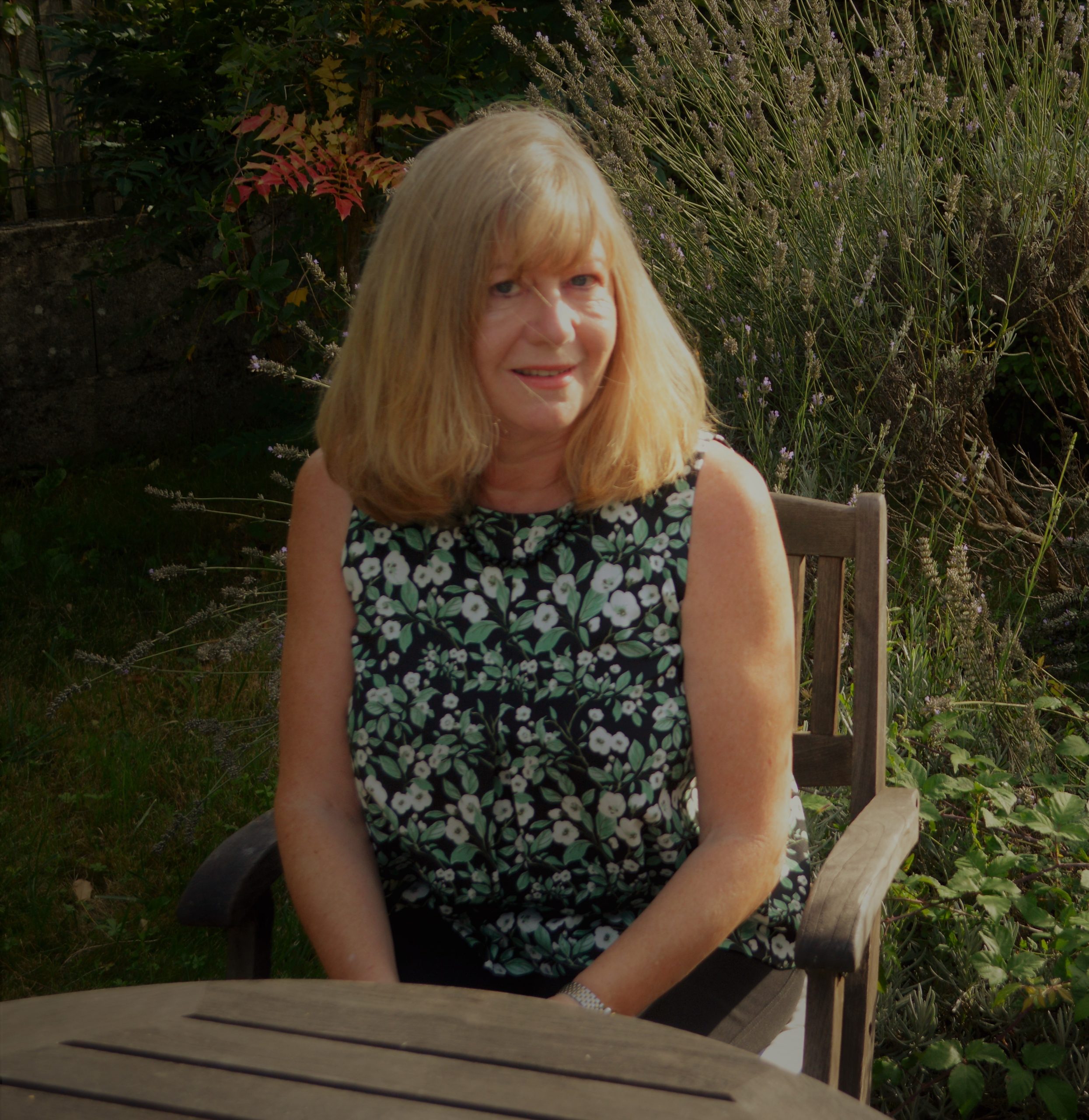
Helen writes page-turning psychological suspense novels and is fascinated by the darker side of human nature and how a life can change in an instant. She is the author of five published novels. Her domestic suspense thriller House of Lies, first published in 2019 as Lies Behind the Ruin, was republished by DP Books in August. Her February release, If I Were You, reached number one in Canada in its Amazon category Previous novels have won prizes including the opening pages of a novel award at Winchester Writers’ Festival and the suspense and thriller genre prize in the 2022 Pageturner Book Award.
Born in Cardiff, Helen read English at the University of Liverpool and worked in international development, consultancy and human resources. She has an MA in Creative Writing from Oxford Brookes University.
Some of Helen’s novels cover themes of human trafficking and she has been appointed an Ambassador for the charity, Unseen UK, which works towards a world without slavery. She donates her author talk fees, and a percentage of royalties, to the charity.
https://www.helenmatthewswriter.com
https://www.x.com/HelenMK7
https://www.Instagram.com/helen.matthews7
https://Facebook.com/HelenMK7Writer
Thank you so much for coming on, Helen. What a truly fascinating story behind the story!
Thanks so much for hosting me, Georgia.
You’re very welcome!